The short version
| What to compare | Sod | Grass seed |
|---|---|---|
| Lawn ready | The day it's laid, normal use in a couple of weeks | A full season or more |
| Up-front cost | Higher | Lower |
| Watering | A daily soak for a couple of weeks | Light watering a few times a day while it sprouts |
| Weeds and washouts | Soil is covered right away | Bare soil until it fills in |
| Best time | Any time the ground isn't frozen | Late summer and early fall |
| Best for | New builds, front yards and dead lawns | Thin lawns and shady spots |
How fast you get a lawn
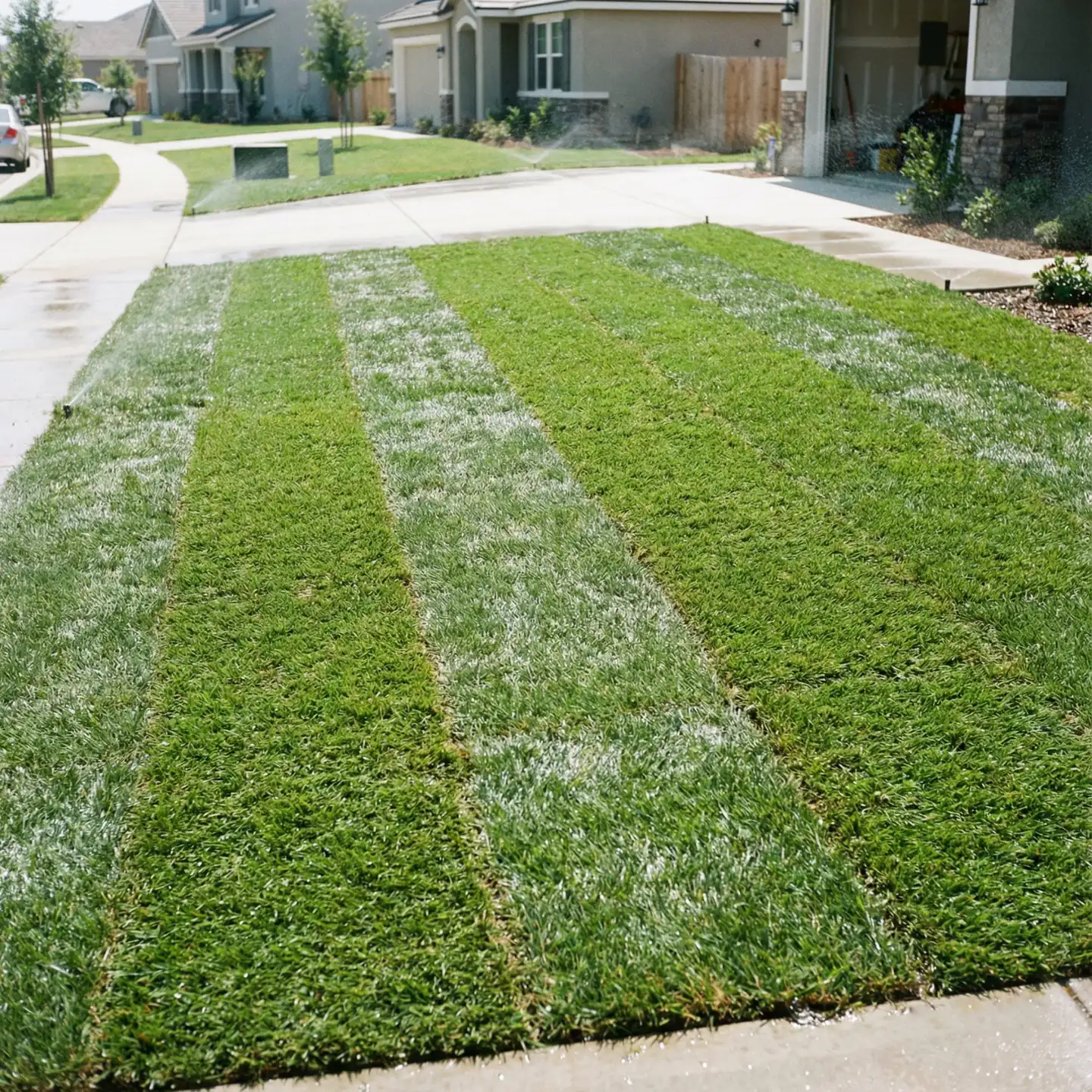
Sod is a finished lawn the day it goes down, and it's ready for normal use once it roots, usually after a couple of weeks. Seed takes a couple of weeks just to sprout, and a full season or more to fill in thick.
Up-front cost
Seed is cheaper to buy and spread. Sod costs more up front because you're paying for grass that has already been grown for you. With the old lawn taken out, new sod runs about $1.50–$2.00 per sq ft before HST.
Weeds, rain and bare soil
Until seed fills in, the soil is bare. Weeds move in, birds eat the seed, and a heavy rain can wash it into patches, especially on Windsor's clay. Sod covers the soil right away, so weeds and washouts have nowhere to start.
Watering
Seed has to stay damp at the surface while it sprouts, which can mean light watering a few times a day. New sod needs a good daily soak for the first couple of weeks, then less often once it roots.
Timing
Seed does best in late summer and early fall, and struggles in summer heat. Sod can go down any time the ground isn't frozen, as long as it gets the water it needs.
When seed makes sense
Overseeding is a good fix for a lawn that is thin but still alive. Raking seed into thin spots in the fall can thicken it back up without starting over.
Shade
Most sod is a sun-loving grass, so heavy shade can be hard on it. In a shady spot, a seed mix made for shade may do better, and turf or a garden bed may be better still.
How to overseed a thin lawn
- Mow a little shorter than usual and rake out the dead grass.
- Spread seed evenly, following the rate on the bag.
- Rake it in lightly, or top it with a thin layer of soil.
- Keep the surface damp until the new grass is up.
- Stay off it, and hold off on mowing until the new grass is a few inches tall.
Our take
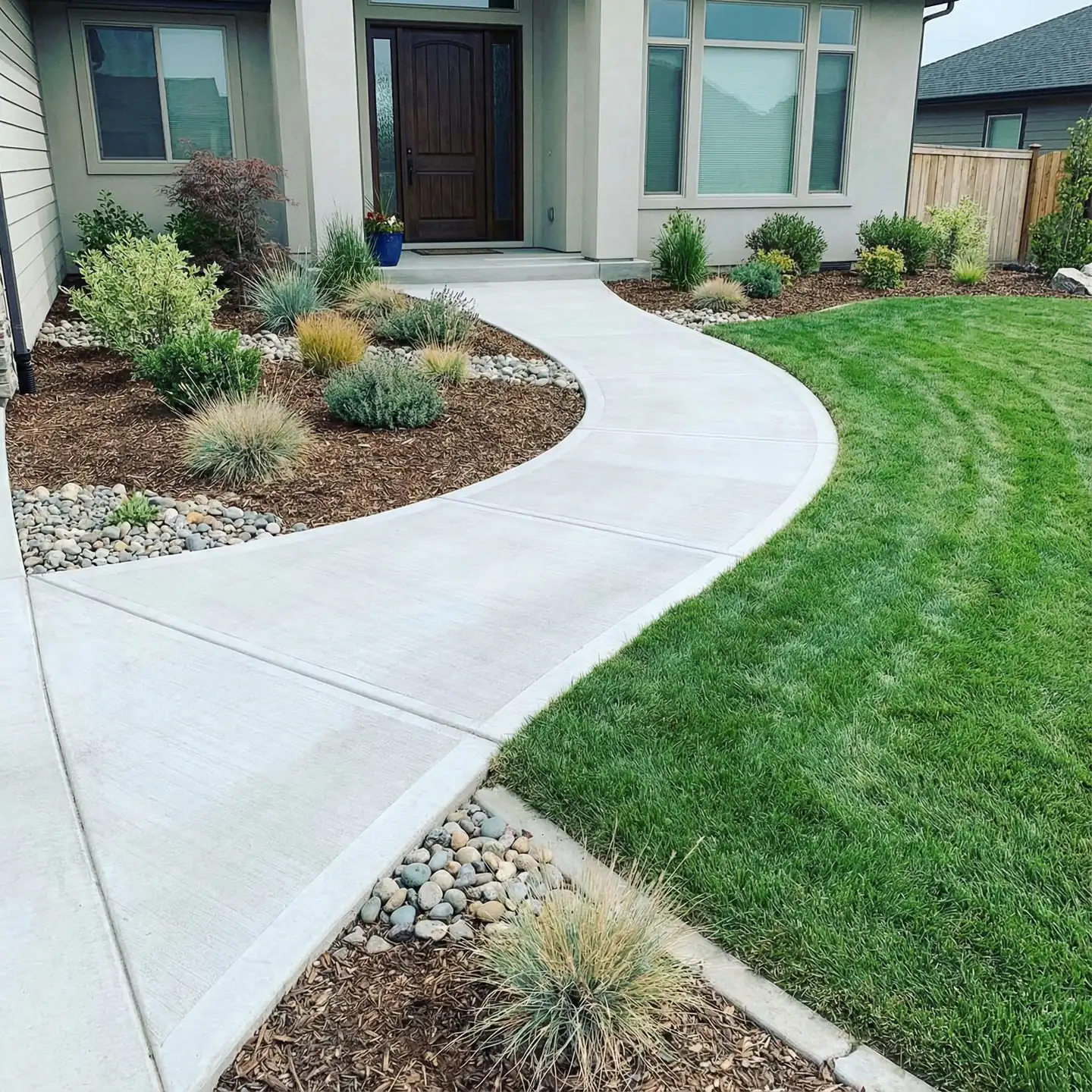
For a new build, a front yard or a lawn that's mostly dead, sod is usually the better choice: you get a finished lawn right away and skip the weeds and washouts. For a lawn that's only thin, overseeding may be all it needs. We'll tell you which at the free estimate.
Planning a new lawn?
Free on-site estimate anywhere in Windsor-Essex, with a written quote the same day. One-year warranty, fully insured and WSIB covered. Call or text 519-567-4724.